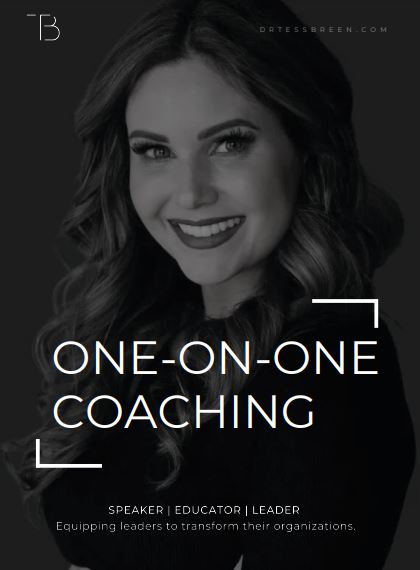
By Dr. Tess Breen, Organizational Psychologist
Key takeaway: A 2023 meta-analysis of 37 randomized controlled trials (de Haan & Nilsson, Academy of Management Learning & Education) found that executive coaching produces statistically significant gains in leader behavior, self-efficacy, and goal-directed action. The strongest effects show up in cognitive behaviors like goal-setting and complex skill adoption, which is why coaching outperforms traditional leadership seminars for the senior leaders who need it most.
For three years running, leader and manager development has topped Gartner’s list of HR priorities. In their 2024 survey of 1,403 HR leaders, 75% of organizations had made significant updates to their leadership programs, and more than half were increasing spending. The frustrating part: most aren’t seeing results. Gartner found that traditional formats (seminars, lectures, classroom-based training) actually had a negative effect on development outcomes.
That gap between investment and impact is precisely why executive coaching has moved from a perk for the struggling to a strategic lever for the high-performing. So what does the evidence actually show?
The strongest evidence yet: a meta-analysis of randomized trials
In 2023, Erik de Haan and Viktor Nilsson published the most rigorous review of coaching to date in Academy of Management Learning & Education. They restricted their analysis to randomized controlled trials, the gold standard for causal evidence, and pooled 39 samples covering 2,528 participants from research conducted between 1994 and 2021.
The findings were unambiguous. Coaching produced statistically significant positive effects across leadership outcomes, personal outcomes, and skill development. The largest gains showed up in what the authors call “cognitive behaviors”: goal-setting, developmental planning, and the adoption of new, complex leadership behaviors. These are the very capabilities that traditional training struggles to shift.
A separate 2023 meta-analysis published in Frontiers in Psychology reinforced the pattern, finding that executive coaching reliably decreases burnout symptoms, increases work vigor, and improves self-efficacy and resilience in leaders.
Why coaching works when seminars don’t
In my work with executive teams, I see the same dynamic repeatedly. Senior leaders don’t fail because they lack knowledge. They fail because they can’t translate what they know into how they show up under pressure. A two-day workshop teaches frameworks. Coaching changes the moment-by-moment behavior that those frameworks are supposed to influence.
Three mechanisms drive the difference. First, coaching is personalized to the leader’s specific context, the political dynamics they face, the team they actually lead, the decisions on their desk this quarter. Second, it is iterative; behavior change happens through repeated cycles of action, reflection, and adjustment, not through a single dose of content. Third, accountability is built into the structure. A coach holds you to the goals you set when you said them out loud, in a way no e-learning module can.
The ROI numbers leaders should know
The ICF/PwC 2024 Global Coaching Client Study found that 86% of organizations tracking coaching ROI reported positive returns, with a median return of 5 to 7 times the investment. ICF research also links 72% of coaching engagements to measurable rises in team engagement, with coached leaders’ teams gaining roughly 9 points on engagement surveys within one to two cycles.
Other organizational outcomes are equally striking. Coached employees in large-scale studies are 32% more likely to receive high performance ratings and roughly 5 times less likely to leave the organization than non-coached peers.
Those are aggregate numbers, and individual results vary. But the consistency of the effect across rigorous studies should put to rest the older critique that coaching is unmeasurable or anecdotal.
What separates effective coaching from expensive coaching
Not all coaching is created equal. The same de Haan and Nilsson meta-analysis found wide variance in outcomes depending on coach training, engagement length, and the rigor of the goal-setting process. A few things matter more than most leaders realize when selecting a coach.
Qualifications and supervision. Look for coaches with formal psychological training or accredited credentials, and ask whether they participate in ongoing supervision. Coaching without supervision is closer to advice-giving.
Contracting clarity. Effective engagements start with explicit, measurable goals tied to business outcomes, not vague “leadership growth.” If the goals can’t be tracked, the ROI can’t either.
Confidentiality boundaries. The coach reports themes and progress to the sponsor, not content. A coach who feeds individual sessions back to HR has compromised the relationship before it starts.
Stakeholder integration. 360-degree feedback at the start, midpoint check-ins with the leader’s manager, and a closing review keep the work aligned with what the organization actually needs from the leader.
The bottom line
If you’re a senior leader weighing whether coaching is worth the investment, the research is no longer ambiguous. Done well, it produces measurable behavior change, reduces burnout, lifts team engagement, and delivers a financial return most learning interventions can’t match. The harder question isn’t whether coaching works. It’s whether you’re choosing a coach equipped to produce those outcomes for your specific situation.
If you’d like to explore what high-quality coaching could look like for you or your leadership team, you can learn more about working with me here.
Frequently Asked Questions
How long does executive coaching typically take to show results?
Most rigorous coaching engagements run 6 to 12 months, with measurable behavior changes typically visible within 3 to 4 months. The de Haan and Nilsson meta-analysis found that engagement length correlates with outcome strength, particularly for complex behavior change like managing conflict or leading through ambiguity.
What’s the difference between executive coaching and mentoring?
A mentor shares their own experience and advice. A coach uses structured questioning, feedback, and accountability to help the leader develop their own capability. Coaches are typically credentialed and operate under ethical standards; mentors usually aren’t. Both have value, but they solve different problems.
Can executive coaching help with burnout?
Yes. A 2023 meta-analysis in Frontiers in Psychology found that executive coaching interventions reliably decrease burnout symptoms and increase vigor in leaders. Coaching helps leaders rebuild boundaries, prioritize recovery, and recover a sense of agency, which are the underlying drivers of sustained burnout.
How do I measure ROI on coaching for my team?
Set behavioral goals tied to business outcomes at the start (for example, “improve decision quality in cross-functional projects” rather than “be a better leader”). Use 360-degree feedback at intake and again at six months. Track team-level engagement, retention, and performance metrics over the engagement period. The ICF reports a median 5 to 7x ROI when organizations measure properly.
Is virtual coaching as effective as in-person?
The research suggests yes. Meta-analyses since 2020 have not found significant differences in outcomes between virtual and in-person formats when coach quality, frequency, and goal structure are held constant. Virtual coaching also increases access to specialized coaches outside the leader’s geographic area.
Sources
- de Haan, E., & Nilsson, V. O. (2023). What Can We Know about the Effectiveness of Coaching? A Meta-Analysis Based Only on Randomized Controlled Trials. Academy of Management Learning & Education, 22(4). https://journals.aom.org/doi/10.5465/amle.2022.0107
- The effects of executive coaching on behaviors, attitudes, and personal characteristics: a meta-analysis of randomized control trial studies. (2023). Frontiers in Psychology. https://www.frontiersin.org/journals/psychology/articles/10.3389/fpsyg.2023.1089797/full
- ICF & PwC. (2024). ICF Global Coaching Client Study. International Coaching Federation.
- Gartner. (October 2024). Gartner Survey Finds Leader and Manager Development Tops HR Leaders’ List of 2025 Priorities for Third Consecutive Year. Gartner press release